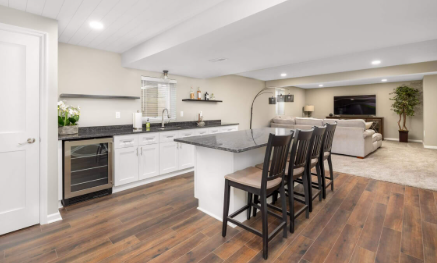
A focused mindset at the home improvement center sets the tone for practical renovation ideas. By scanning aisles with purpose, one translates finds into a concrete plan, prioritizing items that fit budget and space. Quick-impact projects emerge as a roadmap rather than a shopping list. The next steps involve professionals who align materials and timelines, turning casual discoveries into steady progress. The process offers trend-aware, high-value gains, but it leaves a final push to connect these steps with real constraints.
Start With a Centered Mindset: Why the Depot Sparks Ideas
Entering a home improvement center with a centered mindset helps ideas align with needs rather than impulses. The approach yields a practical, trend-aware perspective where a depot sparks ideas into actionable insight. A focused observer translates finds into plan, identifies weekend projects, and maps a renovation roadmap. Clear next steps emerge, guiding freedom-loving builders toward confident decisions and steady progress.
From Aisle to Action: Translating Finds Into a Real Plan
Having anchored ideas with a centered mindset, the process now turns toward turning those finds into a concrete renovation plan. In this phase, professionals translate store-to-plans, aligning selections with budget and space constraints. Aisle to action emerges as prioritized steps, material lists, and timelines, ensuring practical execution. The approach remains trend-aware, solution-driven, and freedom-oriented, enabling clear, actionable decisions.
Quick-Impact Projects You Can Do This Weekend
Weekend-friendly, quick-impact projects translate today’s shopping finds into immediate gains, focusing on tasks that require minimal disruption and maximum payoff. The approach emphasizes practical, trend-aware tasks that empower homeowners to act now. Quick impact ideas include refreshed hardware finishes, tactile switches, improved lighting, and room tweaks. These weekend projects offer momentum, clear results, and a sense of freedom without protracted timelines or heavy budgets.
Build Your Renovation Roadmap: Next Steps After the Visit
After visiting a home improvement center, homeowners can translate shopping insights into a concrete plan by building a renovation roadmap that prioritizes high-impact uses of time and budget.
This approach employs concept mapping to visualize needs, then a prioritization framework to sequence tasks.
The result is a practical, freedom-minded plan that aligns goals with available resources and timelines.
See also: expertturf
Frequently Asked Questions
How Do I Budget for a Full Renovation After a Depot Visit?
A careful budget starts by itemizing costs after the depot visit, prioritizing essential materials first. It avoids budgeting pitfalls by forecasting contingencies, then allocates funds for material prioritization, ensuring a practical, trend-aware, solution-driven plan that preserves freedom.
What Safety Gear Is Essential for DIY Projects?
The essential safety gear includes safety gloves and eye protection; budgeting pitfalls are common, but proactive planning mitigates them, and awareness of timeline dependencies helps. This practical, trend-aware stance supports a solution-driven approach for those seeking freedom.
Which Tools Should I Buy vs. Rent for Big Projects?
For big projects, tool rental vs purchase hinges on frequency and cost; prioritize durable core appliances and specialized equipment for purchase, while renting high-use machinery minimizes downtime. Emphasize budget planning and flexibility, aligning with practical, freedom-seeking trends.
How Can I Plan Timelines Around Material Lead Times?
Timelines constraints and material lead times define schedules; juxtaposed, plans adapt. The approach coordinates procurement windows with work phases, buffers for delays, and flexible sequencing, delivering practical, trend-aware, solution-driven pacing for a freedom-seeking project outcome.
What Permits or Codes Apply to Home Improvement Projects?
Permitting basics and code compliance guidelines vary by jurisdiction, so the project requires checking local authorities. The approach emphasizes practical, trend-aware solutions: secure approvals early, document changes, and maintain flexibility for evolving regulations while preserving homeowner freedom.
Conclusion
The visit to the center becomes a quiet map, guiding choices as if whispered by a familiar builder’s hand. Like footprints leading toward a brighter room, the ideas align with needs, not impulse, hinting at a smarter tomorrow. The plan, once sketched, nudges toward practical, on-trend upgrades that breathe value into space. In the end, the depot’s spark resolves into steady progress, a subtle nod to what’s possible when intention meets tools and timetable.
