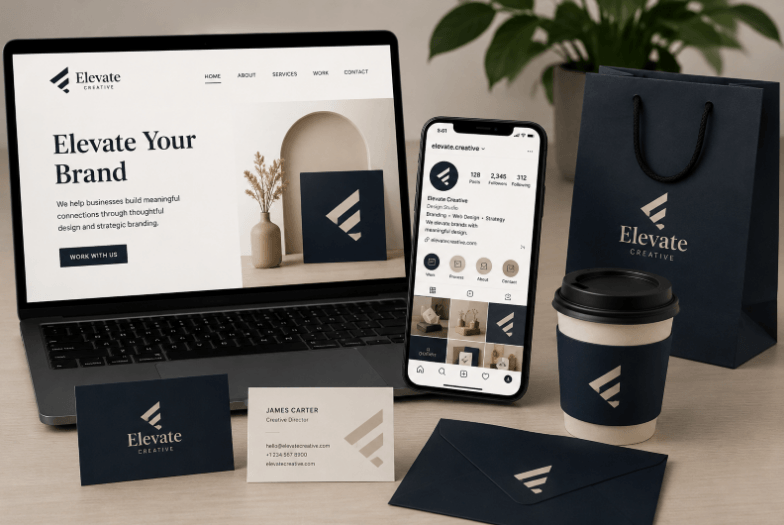
A logo is one of the most recognisable elements of a brand. It can appear on websites, social media profiles, product packaging, business cards, advertisements, and many other marketing materials. A thoughtful logo gives customers a visual reference for a business and can help create a consistent identity across different platforms.
Creating a logo does not always require advanced graphic design knowledge. With accessible online tools and a clear creative idea, businesses, freelancers, and creators can develop a visual identity that suits their goals.
Understand What Your Logo Should Communicate
Before designing anything, consider what your brand represents. A logo should have a visual connection to the personality, values, or services of the business.
Think about the audience you want to reach and the impression you want to create. A technology company may prefer a clean and modern identity, while a creative business could use more expressive shapes and typography.
Understanding these details first can make the design process more focused and productive.
Keep the Design Simple
A simple logo is often easier to recognise and remember. Complicated graphics can become difficult to understand when the logo is displayed at a smaller size.
Focus on a few important elements rather than trying to communicate everything at once. A clean symbol, readable business name, and carefully selected colour palette may be enough to create a strong visual identity.
Simplicity also makes a logo more versatile across different marketing materials.
Choose Colours That Fit Your Brand
Colour can influence how people perceive a brand. Different colours can create different moods, so consider how your chosen palette supports the personality of your business.
For example, cooler tones may create a calm and professional appearance, while brighter colours can produce a more energetic impression.
Try not to use too many colours in one logo. A small, consistent palette can make the design easier to reproduce and recognise.
Pick the Right Typography
Typography is especially important when your logo includes the name of your business. The font should be attractive but, more importantly, easy to read.
A modern sans-serif font may work well for a contemporary brand, while a more distinctive typeface could suit a creative project. Whatever style you choose, make sure the wording remains clear at different sizes.
Avoid combining too many fonts. One strong typeface or a carefully selected combination is usually enough.
Create a Logo That Reflects Your Identity
Your logo should feel connected to your business rather than looking like a generic graphic. Think about how you can incorporate elements that make the design distinctive.
This might include a unique symbol, a memorable colour combination, a customised wordmark, or an interesting visual concept. The goal is to create something that audiences can associate with your brand.
At this stage, using an free logo creator can make it easier to experiment with different layouts, fonts, icons, and colour combinations without needing complicated design software.
Explore Different Logo Concepts
Do not feel pressured to choose your first idea immediately. Creating several concepts can help you compare different approaches and discover what works best.
Try variations with different fonts, symbols, layouts, and colour combinations. You may find that an idea that initially seemed simple becomes more effective after a few adjustments.
Exploring multiple options also helps you avoid settling on a design before considering better alternatives.
Make Sure the Logo Works at Different Sizes
A logo may appear on a large storefront sign, a website header, a business card, or a small social media profile image. It needs to remain recognisable across all these formats.
Test your design at both large and small sizes. Check whether the text remains readable and whether the main symbol is still easy to identify.
A versatile logo can save time because the same core design can be adapted for different marketing needs.
See also: How Managed Cybersecurity Protects Growing Businesses
Consider Light and Dark Backgrounds
Your logo may be displayed on different backgrounds, so it is useful to consider how it will look in various settings.
Check the design against both light and dark backgrounds. Make sure there is enough contrast and that important elements do not disappear.
Creating alternative versions, such as a light-background and dark-background variation, can provide greater flexibility when using the logo across different platforms.
Avoid Following Every Design Trend
Trends can provide inspiration, but a logo should ideally have lasting appeal. A design that depends heavily on a short-term trend may begin to look outdated when visual preferences change.
Instead, focus on elements that represent your brand and can remain relevant over time. A clean and thoughtful design can often stay useful for years with only minor adjustments.
Use Your Logo Consistently
Once your logo is complete, consistency becomes important. Use the same approved version across your website, social media accounts, promotional materials, and other brand channels whenever possible.
Establish simple guidelines for colours, spacing, backgrounds, and sizing. This can help prevent inconsistent use of the logo and create a more unified appearance.
Over time, consistent branding can make it easier for customers to recognise your business.
Final Thoughts
A strong logo does not need to be complicated. It should represent your brand clearly, remain easy to recognise, and work effectively across different platforms and sizes.
By understanding your audience, choosing suitable colours and typography, exploring multiple concepts, and testing the final design, you can create a visual identity that supports your business for the long term. Online logo creation tools can also make the process more accessible, allowing beginners and experienced creators to experiment and develop professional-looking concepts.
