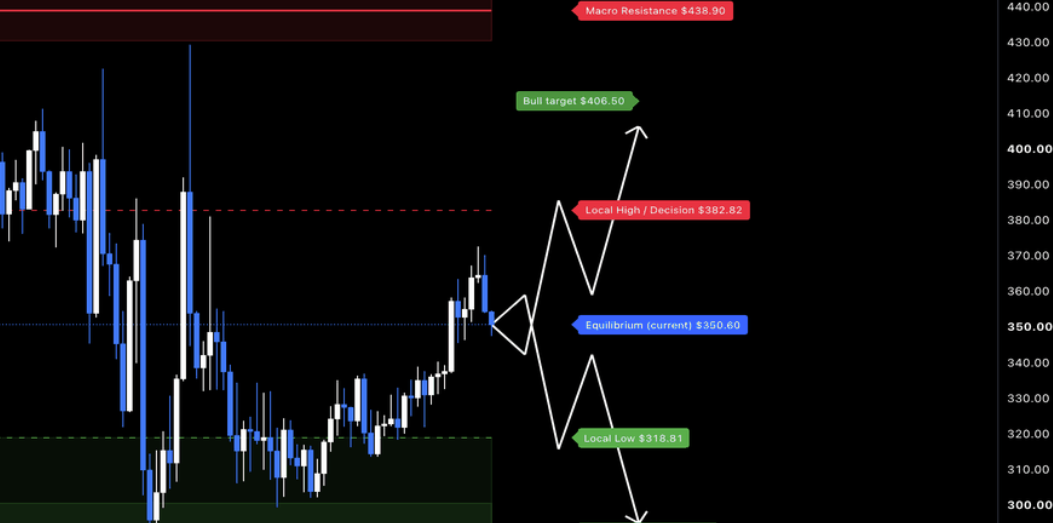
The diversity of cryptocurrencies allows users to select assets based not only on value but also on functional capabilities. While some coins are used primarily for storing funds, others offer unique technologies and blockchain operating principles. This is why exchanging USDT for Monero via an aggregator remains a popular choice for users looking to diversify their cryptocurrency portfolios or leverage the capabilities of the Monero network.
Since the Tether USDT stablecoin (on the TRC-20 network) and the Monero cryptocurrency serve different purposes, such an exchange is usually a deliberate decision. Before proceeding, it is helpful to understand how Monero (XMR) differs from other popular cryptocurrencies and how the conversion process works.
How Monero differs from most cryptocurrencies
XMR holds a unique position in the cryptocurrency market thanks to its distinct blockchain architecture. Unlike many other digital assets, the project was developed from the start with a focus on high levels of privacy and network independence. This cryptocurrency appeals to users for several reasons:
- it operates on its own blockchain;
- it boasts a well-developed ecosystem of specialized wallets;
- it is used globally alongside other major cryptocurrencies;
- it is supported by numerous exchange services;
- it is suitable for cryptocurrency portfolio diversification;
- it continues to evolve actively thanks to an open developer community.
These features allow Monero to carve out its own niche in the digital asset industry. Many cryptocurrency holders view XMR not as a replacement for Bitcoin or Ethereum, but as a standalone asset with its own unique advantages.
How the USDT to XMR exchange works
Converting the Tether stablecoin to Monero is typically a quick process involving a few straightforward steps. The user selects the desired exchange pair, specifies the amount of Tether TRC-20 (USDT), enters their Monero wallet address, and receives the details for sending the tokens. Once the funds are received, the service verifies the transaction and executes the exchange, transferring the XMR to the specified address. Thanks to the automation of most processes, the user simply needs to fill out the request correctly and wait for the transaction to complete.
Particular attention should be paid to the choice of Tether network. Since USDT exists in several standards, it is important to verify beforehand that the exchange service supports the specific token version held in your wallet. Verifying the Monero address is an equally crucial step. Due to the nature of cryptocurrency transfers, the recipient cannot be changed once funds have been sent; therefore, the accuracy of the details directly determines the success of the exchange.
Why using online exchange services is convenient
If a user simply needs to acquire Monero, using a specialized exchange service is often more practical than using a trading platform. This approach eliminates the need to master complex exchange features or execute trades manually. Online exchange services offer a straightforward process where each step logically follows the last. This is especially convenient for users who perform such transactions only occasionally and wish to quickly exchange Tether TRC20 for XMR.
Furthermore, specialized services allow users to focus on the exchange itself rather than on complex platform settings. This makes the process more user-friendly and accessible, regardless of one’s level of experience with cryptocurrency.
