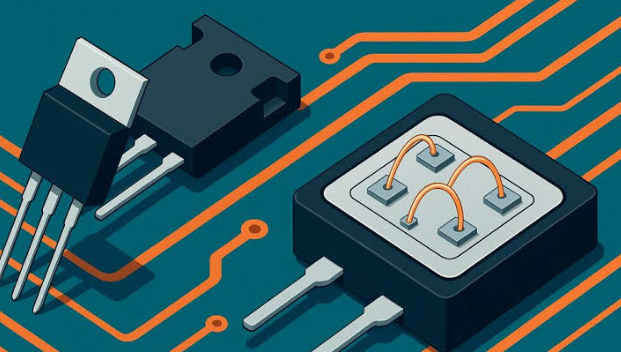
Power semiconductor manufacturers design and produce components such as diodes, rectifiers, transistors, and IGBTs that control and convert electrical power in industrial equipment, renewable energy systems, and consumer electronics. Choosing the right manufacturer directly affects product reliability, system efficiency, and long-term supply stability, making it one of the more consequential sourcing decisions an engineering or procurement team can make.
This guide breaks down what power semiconductor manufacturers actually do, what separates reliable suppliers from risky ones, and what buyers should evaluate before committing to a component source.
What Does a Power Semiconductor Manufacturer Do?
A power semiconductor manufacturer designs, fabricates, tests, and supplies components used to manage electrical current and voltage in electronic systems. This typically includes:
- Diodes and rectifiers – used to control current direction and convert AC to DC power
- Transistors – used for switching and amplification in power management circuits
- IGBTs (Insulated Gate Bipolar Transistors) – used for high-efficiency switching in motor control, inverters, and industrial power systems
- Bridge rectifiers – used specifically for AC-to-DC conversion in power supplies and industrial equipment
Beyond manufacturing, established suppliers also provide technical documentation, quality certifications, and application support that help engineers select the right component for a specific use case rather than relying on generic datasheets alone.
See also: The Life of a Racehorse After Retirement
Why the Manufacturer You Choose Matters
Power semiconductors sit at the core of how electrical systems function, which means component quality has a direct impact on system performance. A poorly manufactured diode or rectifier can lead to premature failure, reduced efficiency, or even safety risks in high-power applications like industrial equipment or renewable energy systems.
This is why buyers typically evaluate manufacturers on more than just price. Manufacturing consistency, testing standards, documentation quality, and supply chain reliability all factor into whether a component will perform as specified over its intended lifespan.
Key Factors to Evaluate When Choosing a Supplier
Manufacturing capability and consistency. Established Goodark semiconductor components reflect a manufacturing approach built around consistent quality control across a wide product range, from basic diodes to more complex IGBT solutions — an important factor for buyers who need reliable performance across multiple component types rather than sourcing from different suppliers for each part.
Application-specific expertise. Manufacturers with experience serving specific industries — renewable energy, industrial power systems, or consumer electronics — often provide better application guidance than general-purpose suppliers, since they understand the real-world operating conditions their components need to withstand.
Documentation and specifications. Clear datasheets, certifications, and technical documentation reduce the risk of selecting a mismatched component, particularly for engineers designing systems where tolerances and performance margins matter.
Product range breadth. A manufacturer offering a full range of power semiconductor types — diodes, rectifiers, transistors, and IGBTs — simplifies sourcing by reducing the number of vendor relationships needed for a single project.
Diodes: A Core Component Category Worth Understanding
Diodes are among the most fundamental power semiconductor components, used to control current direction, protect circuits, and support power conversion processes. Because they appear in such a wide range of applications, diode quality and specification accuracy matter significantly across both simple and complex systems.
For buyers evaluating options, reviewing Goodark diode products provides insight into how diode specifications, types, and application use cases are typically categorized — helpful context for understanding what to look for regardless of which manufacturer is ultimately selected. Diode categories often include general-purpose rectifier diodes, Schottky diodes for lower forward voltage drop, and specialized protection diodes designed for specific circuit requirements.
Common Applications of Power Semiconductor Components
Power semiconductors serve a wide range of industrial and energy applications, including:
- Renewable energy systems – solar inverters and PV protection circuits rely heavily on diodes and rectifiers for power conversion and array protection
- Industrial power supplies – transistors and IGBTs manage switching and power regulation in industrial equipment
- Motor control and inverters – IGBTs are particularly critical for efficient motor drive systems
- Consumer and commercial electronics – diodes and rectifiers support basic power conversion needs across countless devices
Understanding which application a project falls under helps narrow down which component types and specifications actually matter, rather than evaluating every available product category.
How to Approach the Buying Process
A structured approach to selecting a power semiconductor manufacturer generally follows these steps:
- Define technical requirements based on the specific application — voltage, current, switching frequency, and operating environment.
- Shortlist manufacturers with relevant product categories and demonstrated experience in the target application area.
- Review documentation and certifications to confirm components meet required industry standards.
- Evaluate supply reliability, including lead times and manufacturing capacity, particularly for large-scale or ongoing procurement needs.
- Request samples or technical consultation when possible, especially for new or high-stakes applications.
Skipping directly to price comparison without this groundwork often leads to costly mismatches between component specifications and actual application requirements.
Final Thoughts
Power semiconductor manufacturers play a foundational role in how modern electrical and electronic systems function, from renewable energy infrastructure to industrial power equipment. Choosing a supplier isn’t just about finding the lowest price — it requires evaluating manufacturing consistency, product range, documentation quality, and application expertise to ensure components perform reliably over their intended lifespan. A structured evaluation process, grounded in actual technical requirements, leads to better sourcing decisions than comparing suppliers on surface-level specifications alone.
FAQs
What do power semiconductor manufacturers produce? They produce components such as diodes, rectifiers, transistors, and IGBTs, which are used to control, convert, and manage electrical power in industrial, renewable energy, and electronic applications.
Why does manufacturer quality matter for semiconductor components? Component quality directly affects system reliability and efficiency. Poorly manufactured components can lead to premature failure or reduced performance, particularly in high-power industrial or energy applications.
What should buyers look for in a power semiconductor supplier? Key factors include manufacturing consistency, product range breadth, documentation and certification quality, application-specific expertise, and supply chain reliability.
What are diodes used for in power electronics? Diodes control current direction, support power conversion, and protect circuits, making them one of the most widely used power semiconductor component categories across industries.
How should I start the process of selecting a semiconductor manufacturer? Begin by defining your application’s technical requirements, then shortlist manufacturers with relevant experience, review their documentation and certifications, and evaluate supply reliability before making a final decision.
