There is a particular kind of frustration that comes from following advice correctly and getting the wrong result. The workout program was followed precisely. The styling tips were applied faithfully. The dietary approach was maintained consistently. And yet the outcome — the shifted silhouette, the better-fitting wardrobe, the visible change in proportion — did not arrive the way it was supposed to. The advice was not necessarily wrong. It was almost certainly written for a different body.
Body type and body shape are the two frameworks that underpin almost every piece of fitness, nutrition, and style guidance aimed at physical appearance. They determine which exercises are prioritised, which dietary approach is recommended, which clothing silhouettes are suggested, and which areas of the body are expected to respond most visibly to effort. When those frameworks are applied to the wrong body — a body whose type or shape was guessed rather than measured — the advice built on them produces results that are off in ways that are difficult to diagnose precisely because the advice itself is technically sound.
The fix is not finding better advice. It is starting from an accurate description of the body the advice needs to fit.
The Problem With How Most People Identify Their Shape
Ask most people what their body shape is and they will give you an answer with confidence. Ask them how they arrived at that answer and the response becomes less certain. Most people identify their shape through a combination of how they feel their body looks, which celebrity or model they have been told they resemble, and which shape description in a magazine or online article seemed most familiar when they read it. None of these methods produces a reliable result.
The feeling of how a body looks and the actual proportional measurements of that body are frequently different things. Body image research has established consistently that people’s perception of their own dimensions is often distorted — sometimes in the direction of seeing themselves as larger than they are, sometimes smaller, and often with a skewed sense of which areas are proportionally dominant. A person who feels that their hips are much wider than their shoulders may be correct, or may be responding to a subjective impression that the tape measure would contradict.
The celebrity comparison method introduces a different problem. Body shape categories describe proportional ratios, not absolute sizes or aesthetic ideals. Two people can share an hourglass shape classification while looking dramatically different in terms of height, weight, muscularity, and overall appearance. Identifying with a particular celebrity’s shape because they look the way you aspire to look, rather than because their measurements match yours, produces a shape assignment based on aspiration rather than geometry.
The magazine description method fails because written descriptions of body shapes are necessarily imprecise. Words like “wider hips,” “defined waist,” and “fuller bust” describe relative differences without specifying the thresholds at which one category becomes another. A person sitting at the boundary between pear and hourglass — with hips meaningfully wider than the shoulders but a well-defined waist — cannot determine their correct category from a written description. The numbers can.
What a Measurement-Based Classification Actually Tells You
Body shape is defined by three ratios: the relationship between bust or chest and waist, between hips and waist, and between bust or chest and hips. The classification that results from comparing these three ratios places a body into one of five primary categories — hourglass, pear, apple, rectangle, or inverted triangle — with several recognised subtypes within each. The subtypes matter because the practical implications of being a top hourglass are different from those of being a bottom hourglass, and the training priorities for a spoon shape differ from those of a standard pear even though the two categories are often grouped together in general descriptions.
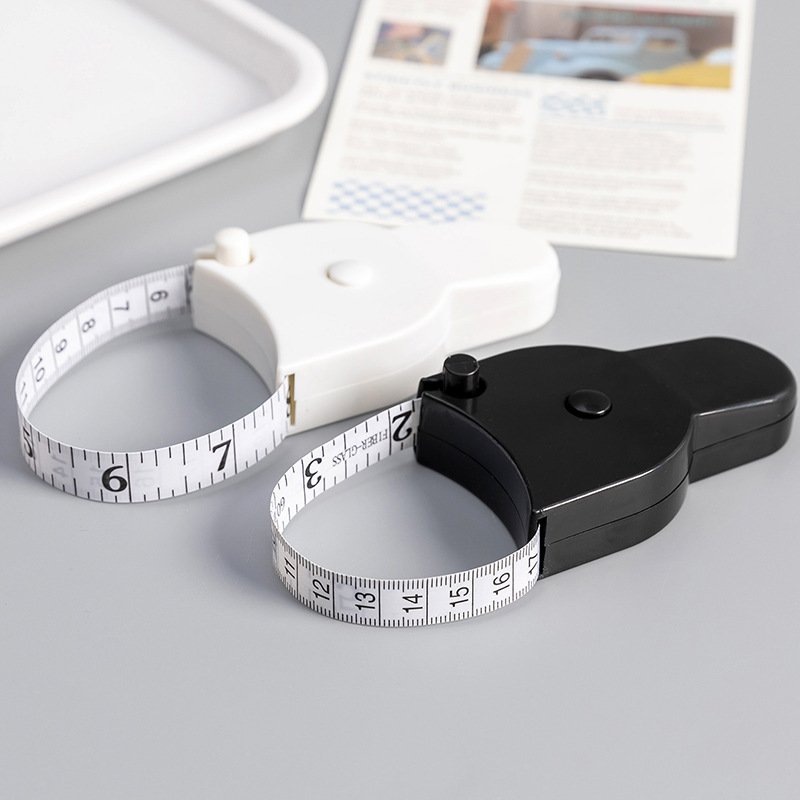
The measurement process itself takes less than five minutes. A soft tape measure, applied at the fullest point of the bust or chest, the narrowest point of the waist, and the fullest point of the hips, produces three numbers. A fourth measurement — the high hip, taken a few inches below the navel — is useful for distinguishing the spoon subtype and the hourglass variants. These four numbers, entered into a structured classification tool, produce a result that is determined by geometry rather than impression.
The value of this result is not the label itself. Shape categories are not identities and they carry no aesthetic judgment — no shape is better or worse than any other, and the goal of knowing your shape is not to place yourself in a hierarchy. The value is what the label predicts about how your specific proportions respond to specific interventions. A pear shape and a rectangle shape follow different training logic not because one is superior but because they start from different structural positions and the exercises that shift proportion most efficiently differ between them.
Body Type: The Metabolic Dimension That Shape Ignores
Shape classification describes what the body looks like proportionally at a given moment. Body type classification describes how the body behaves — how it responds to caloric intake, how readily it builds muscle, where it tends to store and release fat, and how quickly it adapts to changes in training and diet. These behavioral tendencies are what the somatotype framework — ectomorph, mesomorph, endomorph — was designed to capture, and they are the dimension of physical self-knowledge that most shape-focused advice ignores entirely.
An ectomorph and an endomorph following the same training program for the same shape will get different results, not because one is working harder than the other but because their bodies process the stimulus differently. The ectomorph may find that even a program designed for their shape produces limited visible change because caloric intake is too low to support the muscle growth the exercises are trying to stimulate. The endomorph following the same program may find that the absence of cardiovascular work means that fat reduction — which would reveal the structural changes the training is producing — is not occurring at a rate that makes the changes visible.
Knowing your body type does not override the logic of shape-based training. It refines it. The exercises that address a pear shape’s proportional priorities remain the same regardless of body type — but the volume, the rest periods, the nutritional strategy, and the role of cardiovascular work within the overall program all shift depending on how the body handles energy and stimulus. A pear-shaped ectomorph and a pear-shaped endomorph are working toward the same structural goal by somewhat different routes.
For anyone who has never formally identified their body type — or who has self-identified using a casual description and wants a more structured result — a dedicated online body type quiz with measurements works through the relevant variables systematically and accounts for the hybrid classifications that most people actually fall into. Pure ectomorphs, mesomorphs, and endomorphs exist at the extremes of a continuum; the majority of people occupy the middle ranges, and the hybrid classification is often more practically useful than the nearest pure category.
The Fitness Mistakes That Follow From Wrong Shape Identification
Misidentifying body shape does not just produce suboptimal results — it can actively work against the changes a person is trying to make. The exercises that are most effective for one shape are often counterproductive for another, and following the wrong program consistently can reinforce the proportional imbalance rather than addressing it.
The most common example involves the pear-to-hourglass misidentification. A person with a pear shape — hips meaningfully wider than shoulders — who believes they are hourglass will typically follow a program designed to maintain proportional balance rather than shift it. The hourglass program does not heavily prioritise upper body width because the upper body is already in proportion with the lower body. Applied to a pear shape, this means that the area most needing development — the shoulder girdle and upper back — receives insufficient attention, while the lower body work that the program does include may add volume to an area that already dominates the silhouette.
The rectangle-to-hourglass misidentification produces a different problem. A rectangle shape needs to build both the glutes and the upper back simultaneously to create the visual impression of a narrower waist. An hourglass program that focuses on maintaining existing proportions will do neither of these things with enough emphasis to produce visible change in a rectangle frame. The person following it will get fitter without seeing the silhouette shift they were expecting.
Apple shapes misidentified as rectangle face yet another mismatch. The apple shape’s primary training priority — building lower-body width to rebalance a top-heavy silhouette — is not addressed by a rectangle program that treats the body as already proportionally even. The lower-body development that would most change the apple silhouette is exactly what the rectangle program deprioritises in favor of overall balance work.
Each of these errors follows directly from the same root cause: the shape was assumed rather than measured. The training was sensible. It was just aimed at the wrong target.
See also: How Managed Cybersecurity Protects Growing Businesses
The Style Dimension: Where Shape Identification Has the Most Immediate Impact
While fitness results from shape-based training accumulate over months of consistent work, the impact of accurate shape identification on clothing and style is immediate. The difference between a silhouette that works with your proportions and one that works against them is visible the moment you put the garment on, and it costs nothing beyond knowing which category to dress for.
The underlying logic of shape-based dressing is simple: clothing that visually balances the proportions tends to look more flattering than clothing that emphasises existing imbalances. For a pear shape, this means garments that add visual width at the shoulder and chest while allowing the hip to recede — boat necks, structured shoulders, A-line skirts that skim rather than cling. For a rectangle shape, it means garments that create the visual impression of curves — peplum tops, belted waists, full skirts that add hip volume. For an apple shape, it means drawing attention to the legs and creating definition just below the bust rather than at the natural waist.
None of this requires following rules rigidly. Style is a matter of preference as much as proportion, and knowing your shape is an input to your choices rather than a constraint on them. But it is a genuinely useful input — one that explains why certain garments that should work on paper feel wrong in practice, and why others that seem unlikely look unexpectedly good. The explanation is usually proportional rather than aesthetic, and the shape classification is the key to reading it.
For those who want to confirm their shape category before applying any of this to wardrobe decisions, running four measurements through a figure shape identifier calculator produces a result that covers all five primary shapes and their subtypes. The two minutes it takes to get the number right saves considerably more time than following style advice built for the wrong proportions.
Re-Measuring: Why Your Classification Should Be Updated Over Time
Body shape is not fixed. It responds to training, to significant weight changes, to pregnancy, to aging, and to any other factor that shifts the distribution of muscle and fat across the frame. A person who classified as pear at the start of a training program focused on upper body development may measure closer to hourglass after a year of consistent work. A person who gained or lost significant weight may find that their dominant proportional characteristic has shifted enough to move them to a different primary category.
This means that a shape classification made once and never revisited can become as inaccurate as a guess over time — particularly for people who are actively training with the goal of shifting their proportions. The point of re-measuring is not to chase a different label but to ensure that the training and styling decisions being made are still aimed at the right target. If the proportions have shifted toward the goal, the program can be adjusted to maintain the new balance rather than continuing to push in the same direction. If the shift has been more gradual than expected, the program can be evaluated and modified.
A re-measurement every three to six months is sufficient for most people who are training consistently. The measurements take the same five minutes as the initial classification and produce the same quality of information — a precise, geometry-based description of where the body currently sits, rather than where it was or where it is assumed to be.
The Bottom Line
Most people follow body-type and body-shape advice without ever verifying that the category they are following advice for is the one they actually belong to. The result is a systematic mismatch between effort and outcome that is easy to mistake for a failure of discipline or genetics when it is actually a failure of information.
Accurate measurement takes five minutes. It produces a classification that is determined by your actual proportions rather than your impression of them, your aspirations, or a written description that was necessarily imprecise. That classification, combined with an honest account of your metabolic body type, gives you a specific and reliable starting point for every fitness and style decision that follows. Not a guarantee of results — but a guarantee that the effort you put in is aimed at the body you have rather than one you have misidentified.
That is a small investment with a disproportionately large return. Most people never make it.
